Matrix, released in 1999, is widely regarded as a major turning point in science fiction cinema. Directed by the Wachowskis, the movie presents a story that questions reality, free will, and systemic control in a world governed by artificial intelligence.
Through the character of Neo, it explores in depth the relationship between human choice and destiny.
A personal reflection on the movie Matrix and the illusion of choice
At first, it seemed to me like nothing more than a simple science fiction movie. Over time, however, I realized it was less a science fiction story and more a critique of the system. I initially perceived it as a world dominated by machines, where humans served them almost like slaves, reduced to mere resources.
From time to time, short clips of Matrix appeared in my discovery feed, and in certain scenes I noticed that it was not just a science fiction movie.
I gradually understood that it was, in fact, a profound critique of the system. The way it approached this criticism was far more subtle and unexpected than I had assumed, which deepened my admiration for the movie.
The movie is filled with nuanced details and powerful symbolic references. I began to wonder why I had misunderstood it and realized that I too was one of the ordinary individuals shaped by the system.
The most valuable thing this movie gave me was the realization that events must be viewed from multiple perspectives. A situation, like a sentence, can carry more than one meaning.
Meaning, choice and human nature
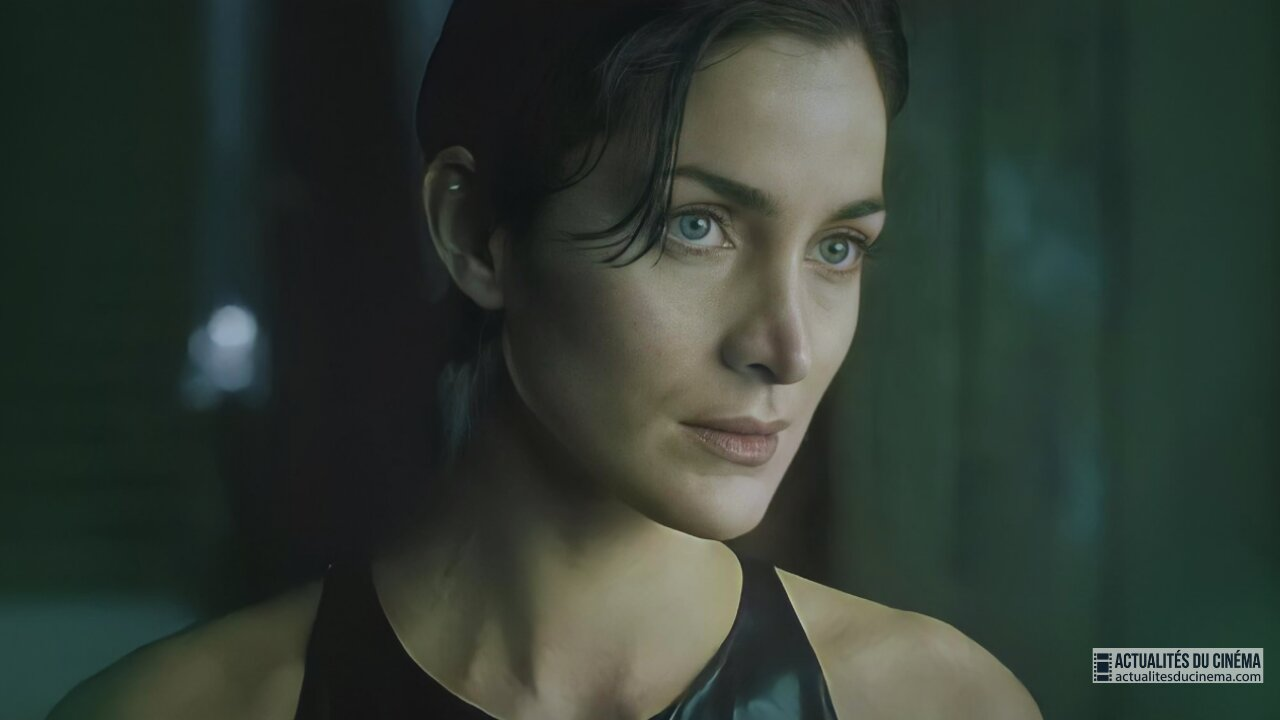
How something is said matters, but why it is said matters just as much. In other words, depth is everything. I appreciated the original Matrix trilogy. I still have not watched the latest Matrix 4 movie. In fact, I could not finish it. I started it but stopped, as I am not someone who enjoys action-heavy movies.
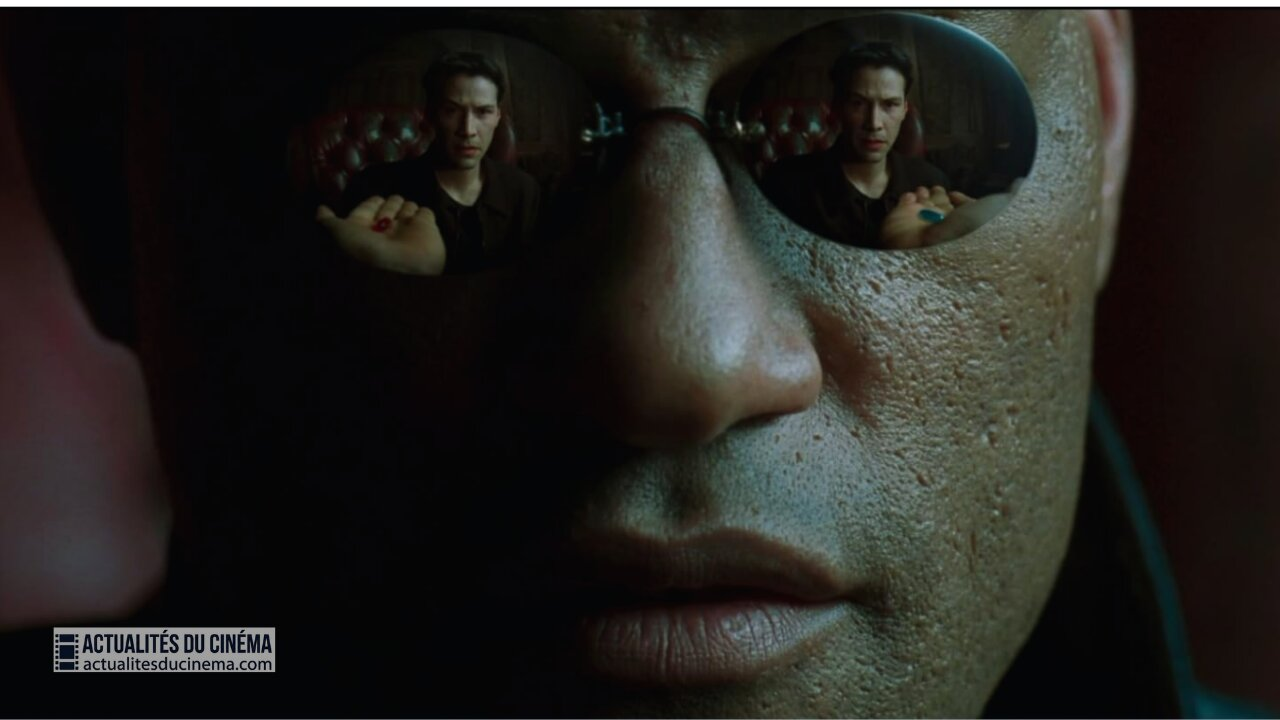
In essence, the movie contains many references that reflect a rebellion against control and state-like authority. Agent Smith, as the guardian of the system, tells Neo that his efforts are futile, that he cannot defeat them, and questions why he continues.
Neo responds: “Because it is my choice.” By nature, humans trust their own reasoning and want to act according to their own consciousness. Otherwise, they fear becoming no different from a passive entity without will.
Destiny, the system and inevitability
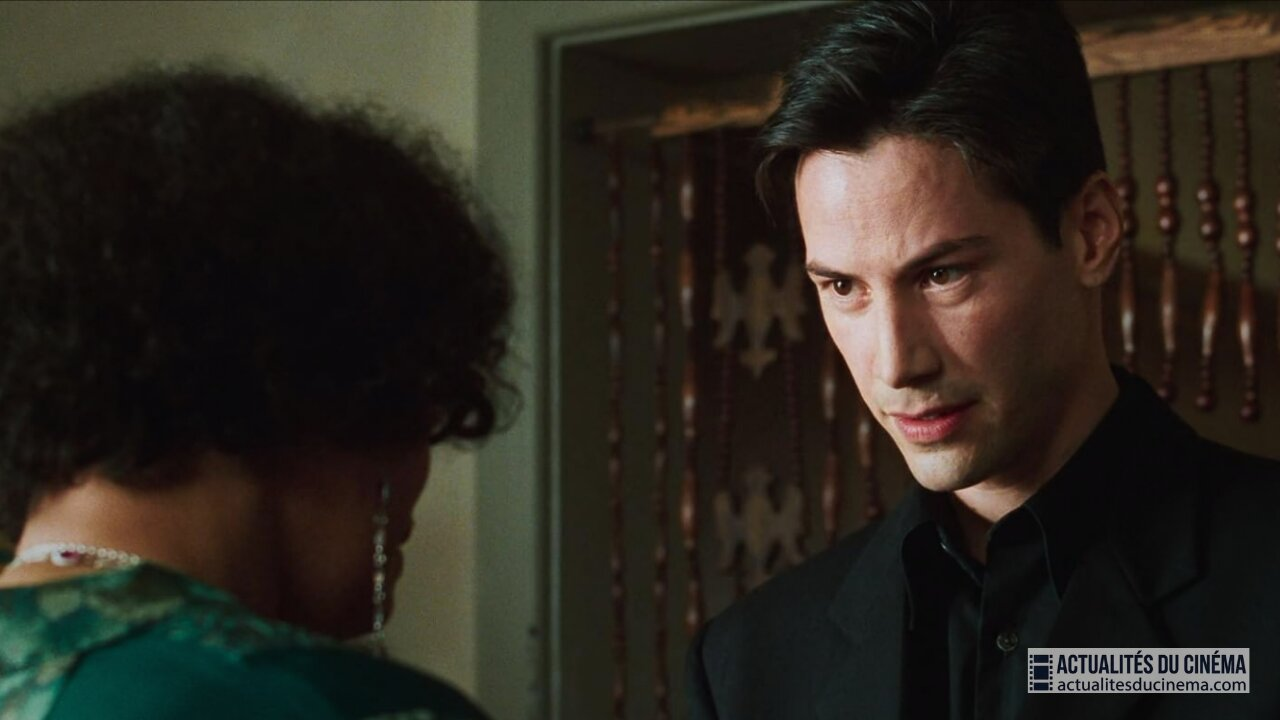
By the end of the movie, Neo had defeated Matrix and saved humanity – or perhaps he was meant to believe so. He may still have been inside the Matrix system. After all, there may never have been another option.
It is a melancholic acceptance, but it may well be the reality. Even if we fight the system, victory may be impossible. Yet this remains a personal choice. We often say that no one can shape our destiny. But what happens if destiny offers only two options, and those options are imposed upon us?
One possible conclusion is this: what we call destiny may be part of a decision-making mechanism that extends far beyond our own choices.
Ultimately, our time in this world is brief. We should spend it as happily and meaningfully as possible – always within an ethical framework and without causing harm to others.