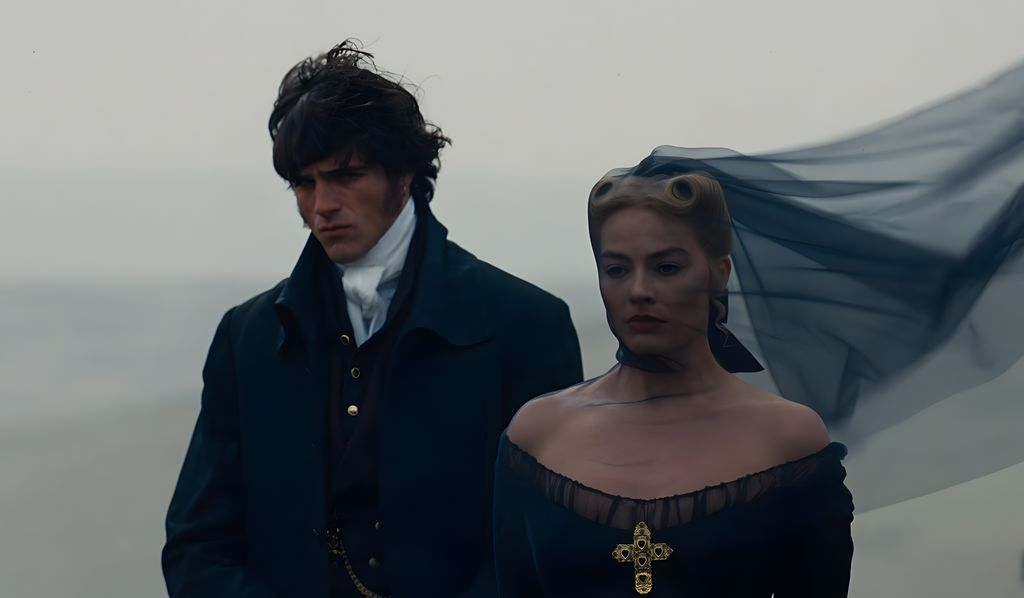
The iconic novel by Emily Brontë, a cornerstone of Gothic literature, is receiving a powerful new cinematic adaptation, with a national release scheduled for February 11, 2026. This project offers a contemporary interpretation of the original text, driven by bold direction and an immersive visual aesthetic.
Wuthering Heights unfolds within a dark atmosphere shaped by passion, revenge, and social tension. This adaptation powerfully captures the emotional complexity of the novel while elevating its central themes for a modern audience.
| Original title | Wuthering Heights |
|---|---|
| Production year | 2026 |
| Genre | Drama, Romance, Gothic |
| Running time | 128 minutes |
| Director | Emerald Fennell |
| Screenplay | Emerald Fennell, based on the novel by Emily Brontë |
| Cast | Margot Robbie, Jacob Elordi |
| Production countries | United Kingdom, United States |
| Release date in France | February 11, 2026 |
Synopsis
The story unfolds across the wild moors of Yorkshire. Heathcliff, a child taken in by the Earnshaw family, forms an intense and tormented bond with Catherine, the daughter of the household. Their relationship, fractured by social conventions and tragic personal choices, gives rise to a cycle of revenge that will scar several generations.
The narrative powerfully highlights the consequences of an all-consuming passion, set within a Gothic framework whose visual symbolism deepens the tragic dimension of the story.
Wuthering Heights Movie Cast
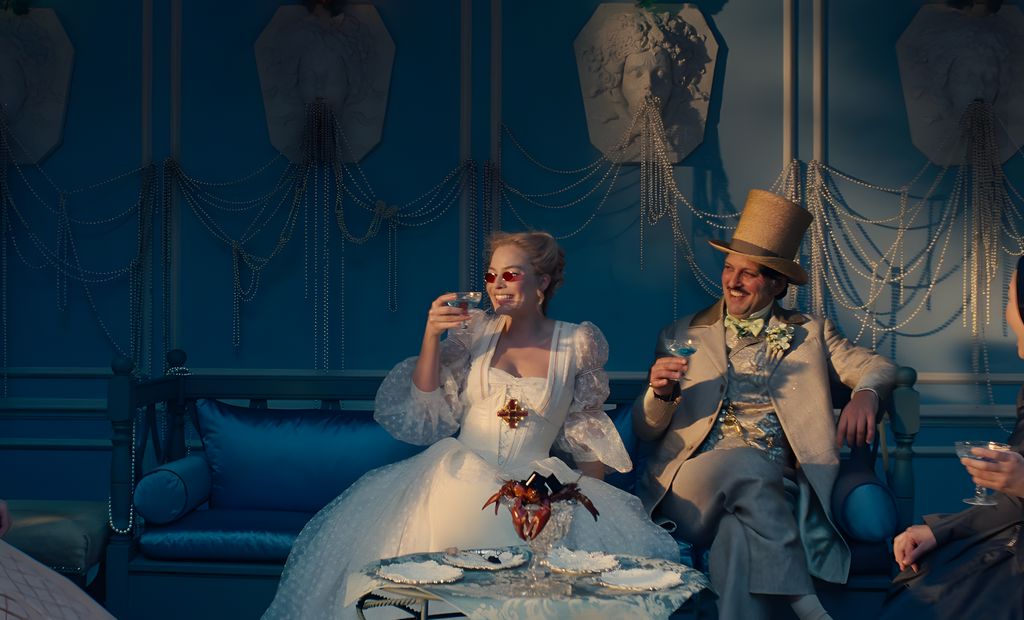
The iconic roles of Catherine and Heathcliff are portrayed by Margot Robbie and Jacob Elordi. The rest of the cast brings together familiar faces from international cinema, completing a prestigious lineup for this highly anticipated production.
Technical details
| Aspect ratio | 2.39:1 |
|---|---|
| Shooting format | 35mm and 4K digital |
| Original language | English |
| Original score | Composed by Alberto Iglesias |
Wuthering Heights Movie: A Faithful Yet Modern Take on a Gothic Classic
Emerald Fennell’s adaptation approaches Wuthering Heights not as a spectacle, but as a psychological tragedy rooted in emotional inevitability.
Rather than reimagining the story through radical changes, the film appears to respect the spirit of Emily Brontë’s original work while translating its themes into a contemporary cinematic language. The focus on inner conflict, emotional intensity, and the inescapable nature of the characters’ fate suggests a deliberate shift toward character-driven storytelling.
This approach positions the film less as a conventional period drama and more as a modern reflection on obsession, loss, and psychological turmoil.